Hip-Hop Artists In the Rock and Roll Hall Of Fame
Hip-Hop Artists In the Rock & Roll Hall Of Fame
- Rock Hall recognizes Hip-Hop's central role in music history, beyond narrow 'rock & roll' definition.
- Inductions celebrate Hip-Hop pioneers who pushed the genre from park jams to mainstream success.
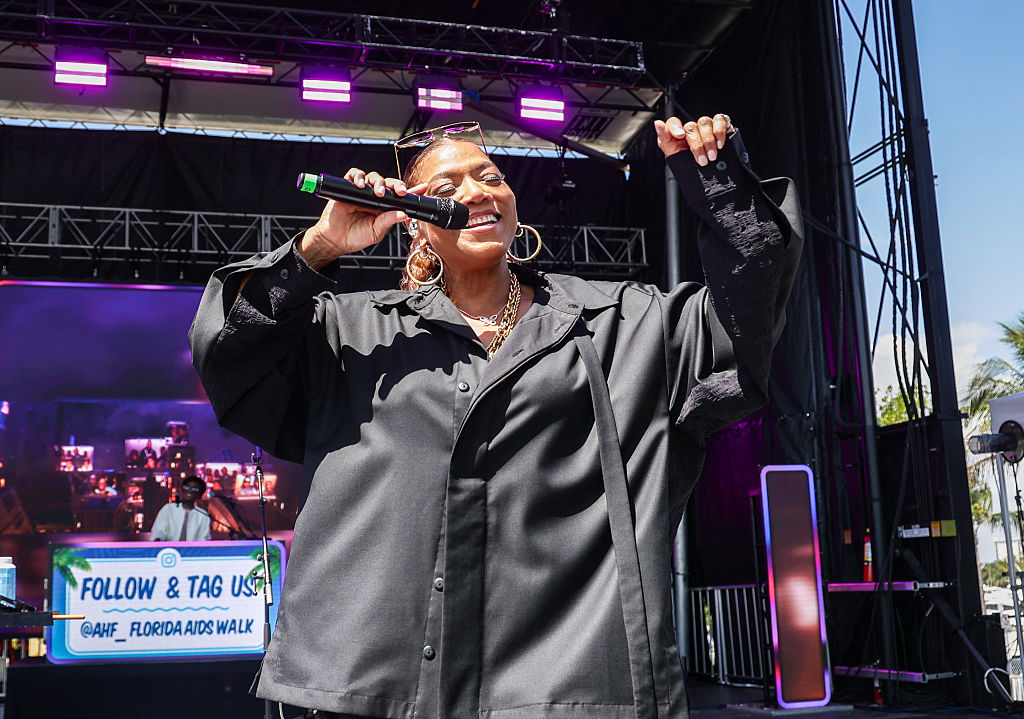
Wu-Tang Clan crashing into the Rock & Roll Hall of Fame’s 2026 Performer class feels right on time, but the bigger headline for the culture is that Queen Latifah and MC Lyte are coming in too, both under the Hall’s Musical Influence category. That matters because Hip-Hop has spent decades proving it belongs in rooms built around a narrower idea of what “rock & roll” even means. The Hall has gradually widened that definition, and this year’s class is another reminder that Black music has always been central to the whole story, not some side chapter.
That’s part of why the Rock Hall still hits, even when people argue over who gets in and who gets left out. For a long time, the institution reflected the same old industry habits that treated rap like an outsider, even though rock itself was born from Black musical innovation and Hip-Hop has shaped the sound, language, fashion and politics of modern popular music for generations. The Hall’s own process now includes multiple categories beyond just Performer, including Musical Influence and Musical Excellence, which has opened the door for a fuller, more honest accounting of Hip-Hop’s impact.
So with the Wu, Latifah and Lyte adding fresh shine to the timeline, it’s the perfect time to look at every Hip-Hop artist the Rock & Roll Hall of Fame has honored so far. Some got in as Performers, some through Musical Influence, and some through Musical Excellence, but all of them helped push rap from the margins to the center of global culture.
Grandmaster Flash and the Furious Five (2007, Performer)
The first rap act ever inducted into the Rock Hall, Grandmaster Flash and the Furious Five, helped prove Hip-Hop was more than a fad. Their innovations behind the turntables and the social force of “The Message” turned rap into both a technical art form and a vehicle for real commentary, which is exactly why their induction was such a breakthrough moment.
RUN-DMC (2009, Performer)
RUN-DMC took rap from the park jams to the mainstream and changed the culture’s look while they were at it. The Rock Hall credits them with a string of firsts, from going gold and platinum to cracking MTV, and their rock-rap crossover helped make Hip-Hop impossible for the music establishment to ignore.
Beastie Boys (2012, Performer)
Beastie Boys earned their place by bringing punk energy, left-field experimentation, and serious reverence for Hip-Hop’s foundations into one package. Their induction reflected how far rap had spread sonically and commercially, while also underscoring how much the genre could bend without losing its core.
Public Enemy (2013, Performer)
Public Enemy didn’t just make records; they made statements. Chuck D, Flavor Flav, and the Bomb Squad turned rap into a loud, fearless political force, and the Hall’s recognition of them was really a salute to Hip-Hop’s power as protest music and public truth-telling.
N.W.A (2016, Performer)
N.W.A brought gangsta rap into the national conversation and forced America to listen to what young Black folks in Compton were actually saying. Their Rock and Roll Hall of Fame induction honored not just huge records, but the way they changed rap’s tone, danger level, and cultural reach forever.
Tupac Shakur (2017, Performer)
Tupac’s catalog was emotional, militant, vulnerable, cinematic, and deeply influential all at once. His induction recognized a voice that could speak to street pain, Black politics, ambition, and contradiction in a way that still shapes how MCs approach storytelling.
The Notorious B.I.G. (2020, Performer)
Biggie only gave the world two studio albums, but that was more than enough to lock him into history. The Hall points to Ready to Die and Life After Death as foundational works, and his 202 induction was really about elite lyricism, effortless charisma, and a blueprint for New York rap dominance.
JAŸ-Z (2021, Performer)
JAŸ-Z’s Hall of Fame case is about way more than hits, though he has plenty of those, too. He came in as one of rap’s greatest writers and one of the clearest examples of Hip-Hop becoming boardroom power, cultural capital, and American mythology all at once.
LL Cool J (2021, Musical Excellence)
LL had been overdue for years, so even though he entered through Musical Excellence instead of Performer, the moment still felt huge. The Hall rightly frames him as one of rap’s first true superstars, a master of battle bars, radio records, and crossover appeal who helped define what a Hip-Hop celebrity could look like.
Eminem (2022, Performer)
Eminem’s induction came in his first year of eligibility, which speaks to the weight of his career. Between the sales, the technical skill, the controversy, and the way he expanded rap’s commercial reach worldwide, the Hall saw him as an undeniable force in the genre’s history.
DJ Kool Herc (2023, Musical Influence)
You really can’t tell the story of Hip-Hop without DJ Kool Herc, because in a lot of ways, he helped start the whole thing. The Hall honored him in Musical Influence for creating the breakbeat blueprint that gave rappers, DJs, dancers, and the broader culture a launchpad.
Missy Elliott (2023, Performer)
Missy’s induction was a beautiful full-circle moment, especially with Queen Latifah doing the honors. The Hall recognized her as a game-changing rapper, songwriter, producer, and visual innovator whose sound, style, and imagination cracked open new lanes for women in Hip-Hop and for pop music in general.
A Tribe Called Quest (2024, Performer)
Tribe brought jazz, Afrocentricity, wit, warmth, and community into rap, changing the genre’s texture. Their 2024 induction was about more than nostalgia; it was acknowledgment that thoughtful, playful, alternative-minded Hip-Hop helped shape the genre just as much as its harder-edged branches did.
OutKast (2025, Performer)
OutKast’s Hall of Fame entry cemented Southern rap’s place in the institution’s highest tier. André 3000 and Big Boi turned Atlanta into a creative universe of its own, blending funk, soul, rap, psychedelia, and pure Black imagination into a catalog that changed what mainstream Hip-Hop could sound and feel like.
Salt-N-Pepa (2025, Musical Influence)
Salt-N-Pepa kicked down doors for women in rap with hit records, style, attitude, and real commercial muscle. Their induction recognized them as barrier-breakers who made female rap stardom feel not only possible, but undeniable, helping clear the lane for generations that followed.
Wu-Tang Clan (2026, Performer)
Wu-Tang getting into the Hall as Performer feels like one of those “about time” moments. The group reimagoned what a rap collective could be, from RZA’s dusty, cinematic production to the way each member built a distinct persona and solo lane, all while keeping the Clan mythology intact.
Queen Latifah (2026, Musical Influence)
Queen Latifah’s induction is bigger than just her rap résumé, though that alone is enough. The Hall calls her the original female Hip-Hop superstar, and that fits: she brought power, dignity, feminism, and crossover ambition to rap at a time when women still had to fight for every inch of space.
MC Lyte (2026, Musical Influence)
MC Lyte’s place here is essential because her career is full of “firsts” that changed the game for women in Hip-Hop. The Hall specifically notes her historic solo success, gold records, and Grammy recognition, and her induction feels like overdue respect for one of rap’s sharpest pens and most important pioneers.
RELATED: Wu-Tang Clan, Sade, Luther Vandross Among 2026 Rock & Roll Hall of Fame Class