Fans Rally Against Sony’s Push Away From Physical Games
‘Don’t Kill The Disc’: More Than 120,000 Fans Rally Against Sony’s Push Away From Physical Games
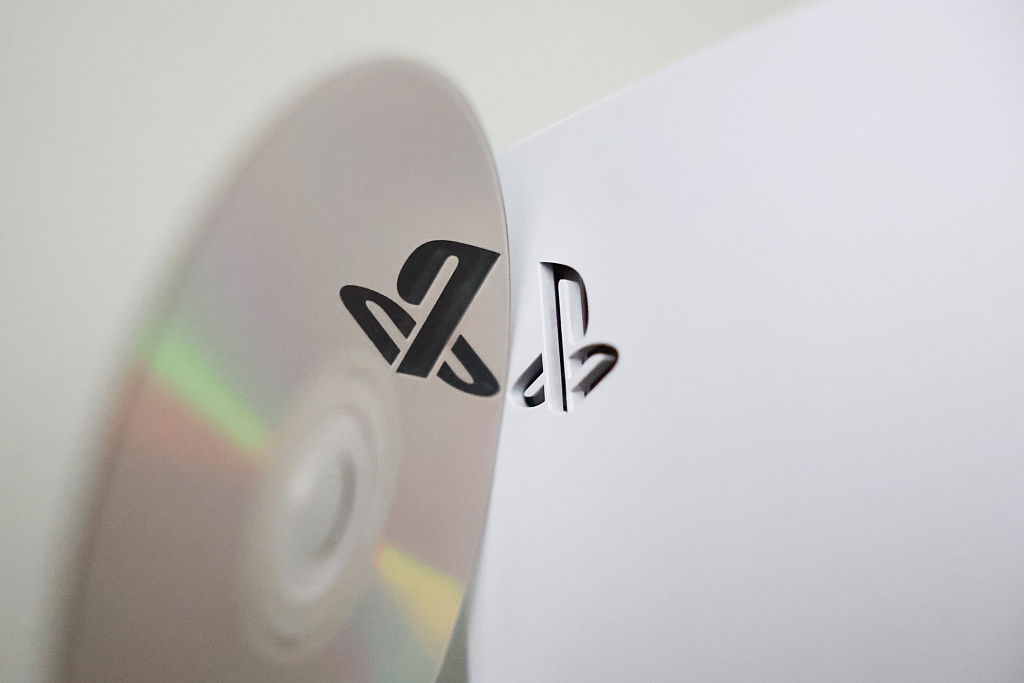
There was a time when buying a video game felt simple. You walked into a store, picked up the case, cracked open the plastic, popped the disc into your console and that was it. The game was yours. You could keep it on the shelf, trade it in, lend it to a friend, sell it later, or hold onto it forever like a time capsule from whatever era of life you were in when you first played it.
But that era might be getting closer to its final boss, at least on PlayStation. On July 1, Sony announced that it will stop producing physical discs for all new PlayStation games starting in January 2028, saying the move is tied to consumer habits shifting more and more toward digital purchases. After that date, new PlayStation games will be sold through the PlayStation Store and retailers in digital formats only. Sony said the decision will not affect games that are already out or games scheduled to release on disc before January 2028.
That announcement did not land quietly. Almost immediately, fans, collectors, preservationists and physical media supporters started pushing back under a Change.org petition titled “Don’t Kill the Disc: Tell Sony to Keep Physical PlayStation Games.” As of Monday morning, the petition had climbed past 127,000 verified signatures, after recently crossing the 120,000 mark. The petition was created on July 1 and lists Sony, PlayStation and Sony Interactive Entertainment as decision-makers.
At the center of the petition is a pretty simple argument: fans are not necessarily against digital games, but they do not want digital to become the only option. The petition points out that physical games allow players to lend, trade, resell, gift, collect and preserve the games they buy. Supporters argue that a boxed download code is not the same thing as owning a disc. It may still sit on a store shelf, but the actual game is tied to a digital license, an account, a storefront and whatever rules come with that ecosystem.
That is why this has become bigger than people being nostalgic about game cases. For a lot of players, physical games represent ownership in a way digital purchases do not. When you own a disc, there is at least some level of control. You can still play it years later, assuming the console works and the game does not require major online access. With digital games, players trust that storefronts stay open, licenses remain active, publishers keep files available, and accounts do not get locked, banned, or lost.


Sony’s timing also made the reaction louder. On the same day, it announced the end of new physical game discs; Sony also revealed that the PlayStation Store on PS3 will begin closing in select markets this year, with broader PS3 and PS Vita store closures coming globally in July 2027. Sony said players will still be able to download previously purchased content “for the foreseeable future,” but that phrase is exactly the kind of thing physical media supporters worry about. “For the foreseeable future” is not the same as forever, especially when games can be delisted, servers can shut down, and an old storefront can eventually disappear.
Sony’s argument is that this is where the market is already headed. The company said consumer preferences and the broader entertainment industry are moving away from discs, and Reuters reported that digital purchases made up about 80% of Sony’s full-game sales in fiscal year 2025. From a business standpoint, Sony is following the money. But the backlash shows that “most people buy digital” does not mean every player is ready to completely lose physical games.
That is the tension at the heart of the “Don’t Kill the Disc” campaign. Digital games are convenient, easy to download and do not take up shelf space. But physical games create options. They support retailers, used-game shops, collectors, preservationists and players who want to lend, trade or resell what they buy. The petition is not asking Sony to stop selling digital games. It is asking Sony not to make digital the only lane. Because once discs are gone, fans lose more than plastic cases. They lose resale power, lending power, collecting power, preservation power and a level of ownership that digital storefronts have never fully replaced.
Whether the petition actually changes Sony’s plan remains to be seen. Companies do not usually reverse major distribution strategies solely because of online backlash, especially when business numbers are already leaning digital. But more than 120,000 verified signatures in just a few days send a message that the physical game audience is not dead yet. It may be smaller than it used to be, but it is loud, organized and not ready to let the disc disappear without a fight. Sony may see the disc as outdated technology, but for the fans rallying behind “Don’t Kill the Disc,” it still represents something digital has not been able to replace fully: the feeling that when you buy a game, it is actually yours.
RELATED: Sony Announces Price Hike For All PS5 Models & PlayStation Portal