Lil Wayne Albums Ranked
King Tunechi: Lil Wayne Albums Ranked
- Lil Wayne's albums demonstrate his evolution from promising talent to unparalleled lyrical virtuoso.
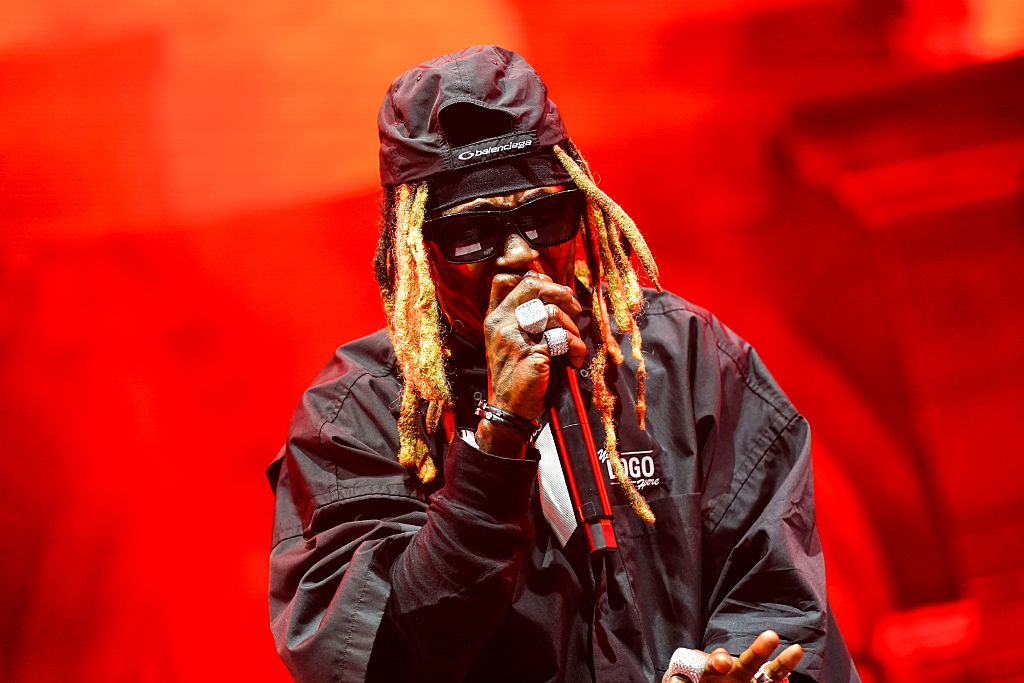
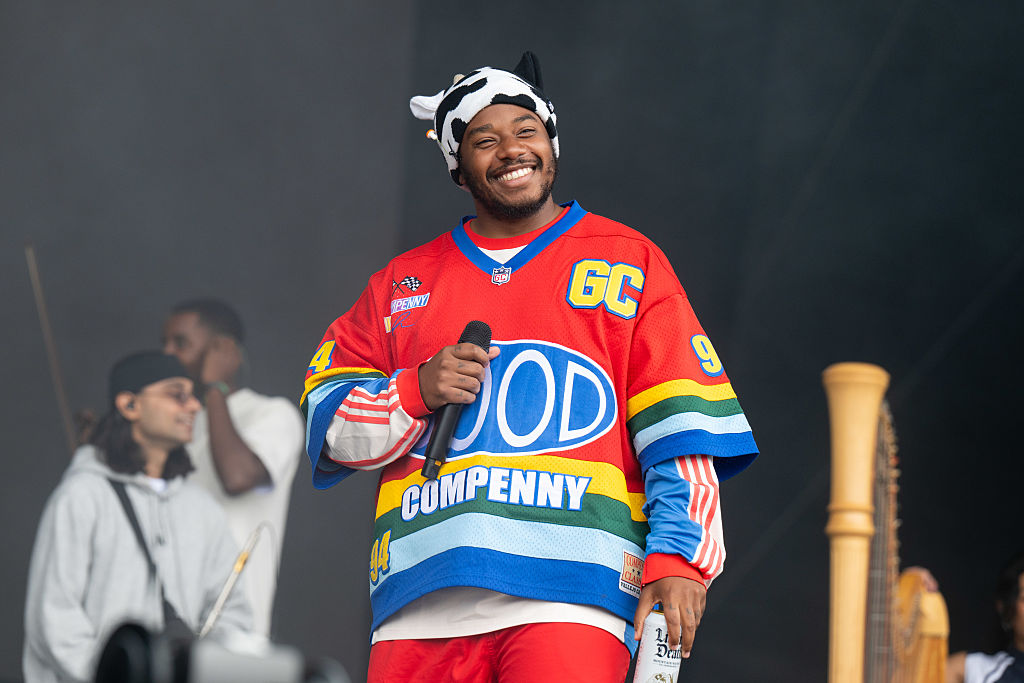
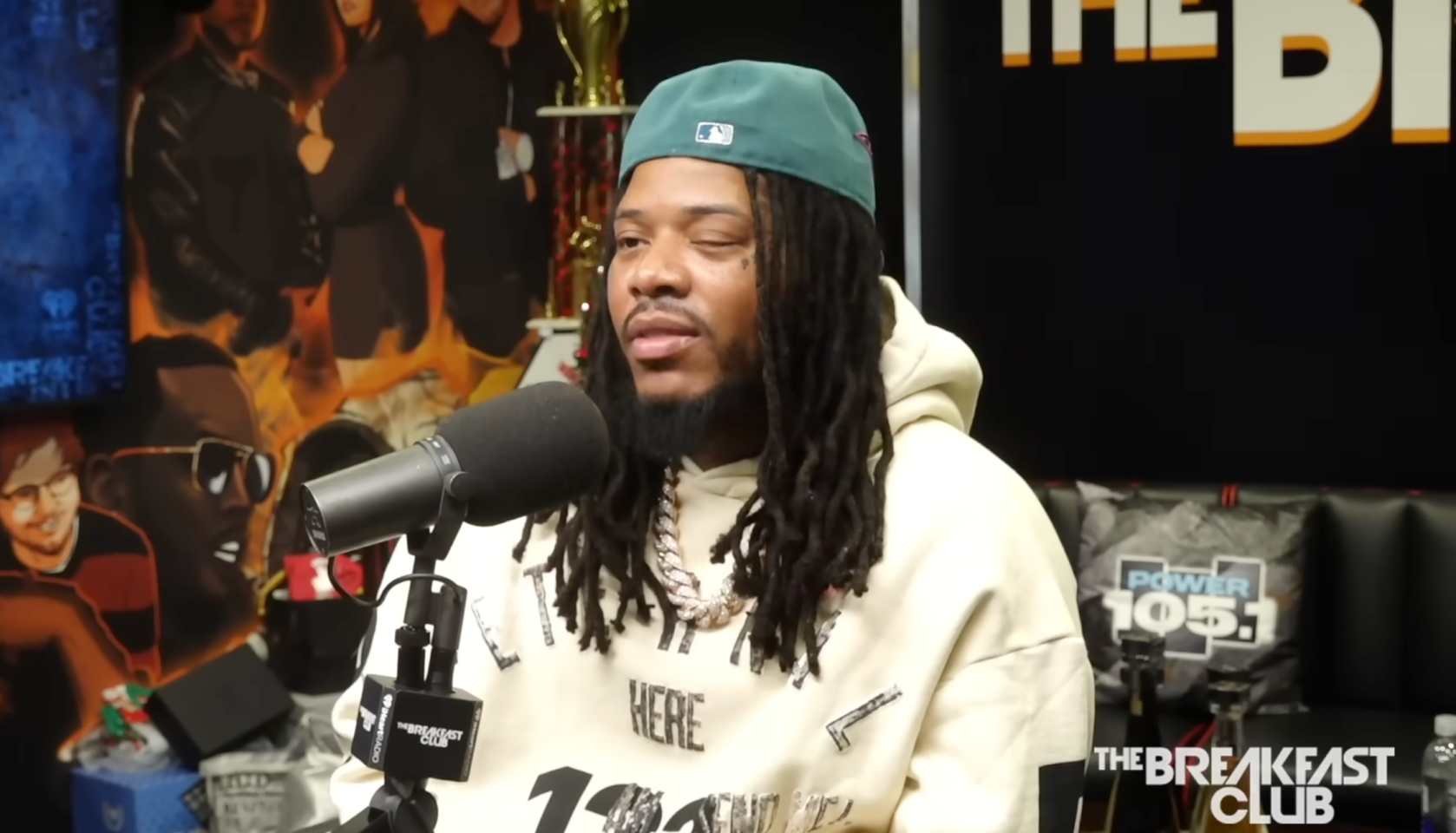
If it’s one thing Black people don’t play about, it’s our legends. It doesn’t matter if it’s sports, music, movies, or anything in between — once somebody earns their spot, they’re protected like family. That’s something rising Vallejo rapper LaRuseell learned real quick after he recently sparked a firestorm in Hip-Hop. During a podcast appearance, LaRussell said that as he matured, he felt like Lil Wayne didn’t always have much “substance” in his music — and the internet wasted no time letting him hear about it. Fans flooded social media to defend Wayne, reminding everyone exactly who he is and what he’s done for the culture. To his credit, LaRussell clarified that he’s still a fan, but by then, the conversation had already turned into a full-blown generational debate.
The truth of the matter is that Lil Wayne isn’t just another rapper. He’s really one of them ones. The New Orleans native, born Dwayne Michael Carter Jr., came into the game as a teenager under Cash Money Records and never looked back. From the early Hot Boys days to becoming the face of an entire era, Wayne didn’t just participate in Hip-Hop — he reshaped it. His work ethic, creativity, and willingness to experiment helped redefine what a rap superstar could look and sound like. Over time, he built one of the most decorated catalogs the genre has ever seen.
By the mid-2000s, Wayne had fully transformed from promising young talent into the best rapper alive — and he wasn’t just saying it, he was proving it. Albums like Tha Carter II and Tha Carter III showcased his evolution from a mere rapper into a lyrical alien, blending punchlines, storytelling, and pure charisma into something no one else could replicate. Tha Carter III alone became a cultural earthquake, winning Best Rap Album at the Grammys and earning widespread acclaim as one of the greatest rap albums ever made. Wayne wasn’t just making hits — he was setting the standard.
What makes Wayne unique is not only his success but also his longevity. Few artists have managed to stay relevant across multiple generations the way he has. He’s sold over 100 million records worldwide, holds countless chart records, and inspired nearly every rapper who came after him in some form or fashion. Whether it’s Drake, Nicki Minaj, Kendrick Lamar, or the entire SoundCloud wave, Wayne’s fingerprints are everywhere. So yeah, when people defend Wayne, they’re not just defending an artist, they’re defending a pillar of Hip-Hop itself. With that being said, let’s rank Lil Wayne’s official studio albums — giving Weezy the flowers he’s more than earned.
LIL WAYNE ALBUMS RANKED
14. Rebirth (2010)
This was Wayne’s rockstar era in full effect. He stepped completely outside the Hip-Hop box and leaned into his love for rock music, complete with electric guitars and heavy instrumentation. While it confused some fans and critics, it showed Wayne’s fearlessness and refusal to be creatively boxed in. Tracks like “Drop the World” with Eminem reminded everyone that, even in unfamiliar territory, Wayne’s intensity and emotion remained undeniable.
13. I Am Not A Human Being II (2013)
This album arrived during a complicated time in Wayne’s career, and you could feel the inconsistency throughout. It still produced major hits like “Love Me,” featuring Drake and Future, which became a staple of Wayne’s radio dominance in the 2010s. While it didn’t reach the heights of his Carter classics, Wayne’s charisma, punchlines, and star power kept the project afloat. It served as a reminder that even an uneven Wayne album still mattered culturally.
12. Funeral (2020)
Funeral showed Wayne in veteran mode — reflective, experimental, and still hungry. The album didn’t have one massive defining hit, but it was packed with lyrical moments that reminded fans he never lost his pen. Tracks like “Mahogany” and “Mama Mia” showcased his technical ability and wordplay at a level most rappers could never reach. It proved that even decades in, Wayne was still evolving and competing with a younger generation he helped inspire.
11. Free Weezy Album (2015)
Released during his highly publicized battle with Cash Money, this album carried emotional weight beyond just the music. It represented Wayne fighting for his creativity and his professional standing, and you could hear that hunger throughout the project. While it wasn’t pushed commercially like his major releases, fans appreciated its rawness and honesty. It felt like Wayne was reconnecting with himself during one of the most difficult periods of his career.
10. 500 Degreez (2002)
This album was Wayne still transitioning from Hot Boys prodigy to solo star. It didn’t have the polish of his later work, but it showed clear growth in his delivery and confidence. Wayne was beginning to separate himself from the Cash Money shadow and establish his own identity. It was an important stepping stone toward the superstar he was about to become.
9. Lights Out (2000)
Coming just one year after his debut, Lights Out showed Wayne’s early work ethic and determination to improve. His voice, flow, and presence were noticeably sharper, signaling his rapid development. The album performed well commercially and maintained his momentum in the Southern rap scene. It proved Wayne wasn’t just a one-album wonder — he was building something long-term.
8. Tha Carter VI (2025)
Decades into his career, Wayne continued expanding one of Hip-Hop’s most iconic album series. The album showed flashes of vintage Wayne while also embracing newer sounds and collaborators. It demonstrated his ability to adapt without losing the essence that made him legendary. Few rappers have remained this relevant this long, and this album added another chapter to an already historic run.
7. Tha Block Is Hot (1999)
Wayne’s debut album was nothing short of historic. Dropping at just 17 years old, he delivered a platinum project that immediately established him as one of Cash Money’s brightest stars. The title track became a defining anthem of New Orleans rap and introduced the world to Wayne’s hunger and charisma. It wasn’t just a debut — it was the beginning of a dynasty.
6. Tha Carter (2004)
This is where Wayne officially reinvented himself. He began shedding the image of a teenage tapper and stepped fully into his role as a superstar and elite lyricist. Tracks like “Go DJ” became cultural staples and marked the beginning of Wayne’s true takeover. This album laid the foundation for one of the greatest runs in Hip-Hop history.
5. I Am Not A Human Being (2010)
Released while Wayne was incarcerated, this album proved his presence was bigger than physical absence. Songs like “Right Above It,” featuring Drake, became anthems and reinforced Wayne’s dominance. The project showed how deeply embedded he was in Hip-Hop’s DNA at that point. Even behind bars, Wayne was still controlling the game.
4. Tha Carter IV (2011)
Following a classic is never easy, but Wayne delivered another massive commercial success. The album sold nearly a million copies in its first week, proving his star power was unmatched. Tracks like “6 Foot 7 Foot” reminded fans og his elite lyrical ability and energy. It solidified Wayne’s position as the defining rapper of his generation.
3. Tha Carter V (2018)
After years of delays, legal battles, and uncertainty, Wayne returned with one of his most personal albums ever. He opened up emotionally in ways fans hadn’t heard before, reflecting on his life, career, and survival. The album felt like both a victory lap and a rebirth. It reminded the world why Wayne’s voice and story mattered so much.
2. Tha Carter II (2005)
This album marked Wayne’s true ascension into greatness. His hunger, confidence, and lyrical sharpness reached a completely new level. Songs like “Fireman” and “Hustler Musik” became defining records of his rise. This was the album where Wayne stopped being the future — and became the present.
1. Tha Carter III (2008)
This is Wayne at his absolute peak. The album became a cultural phenomenon, selling over a million copies in its first week and producing timeless hits like “A Milli” and “Lollipop.” Wayne wasn’t just dominating rap — he was dominating music, period. This album cemented his legacy as one of the greatest rappers of all time.
Lil Wayne isn’t just one of the greatest rappers ever, though —he’s one of the most important. His catalog raised generations, his influence shaped the sound of modern Hip-Hop, and his legacy is untouchable. Debates will come and go, and new artists will always have opinions. But at the end of the day, Weezy doesn’t need defending—his music already does that.
RELATED: Top NBA YoungBoy Albums Ranked